Dublin’s Most-Loved Steaks: What Diners Order at 20 Steakhouses
We checked the reviews and menus at 20 Dublin steakhouses to find the steaks people rate most, cut by cut.
Every steakhouse says its steak is the best in Dublin. We wanted to know what diners actually order and come back for. So we went through the reviews for 20 Dublin steakhouses on Google, Tripadvisor and OpenTable, read the press write-ups, and checked every steak against the restaurant’s current menu.
Some names came up again and again. Others we expected to see barely got a mention. Here’s what we found, cut by cut.
How we picked them
This isn’t a star rating. We looked at which steaks reviewers name most and praise most, plus what critics singled out. Then we checked each one is still on the menu. A few things to know:
- Most reviews just say “great steak” without naming the cut, so the ones that do name it carry a lot of weight.
- Where OpenTable shows how often a dish is mentioned, we used that.
- Menus and prices change. Everything here was checked in October 2026.
You’ll find the full top 3 for each restaurant on its own page. This post pulls it all together.
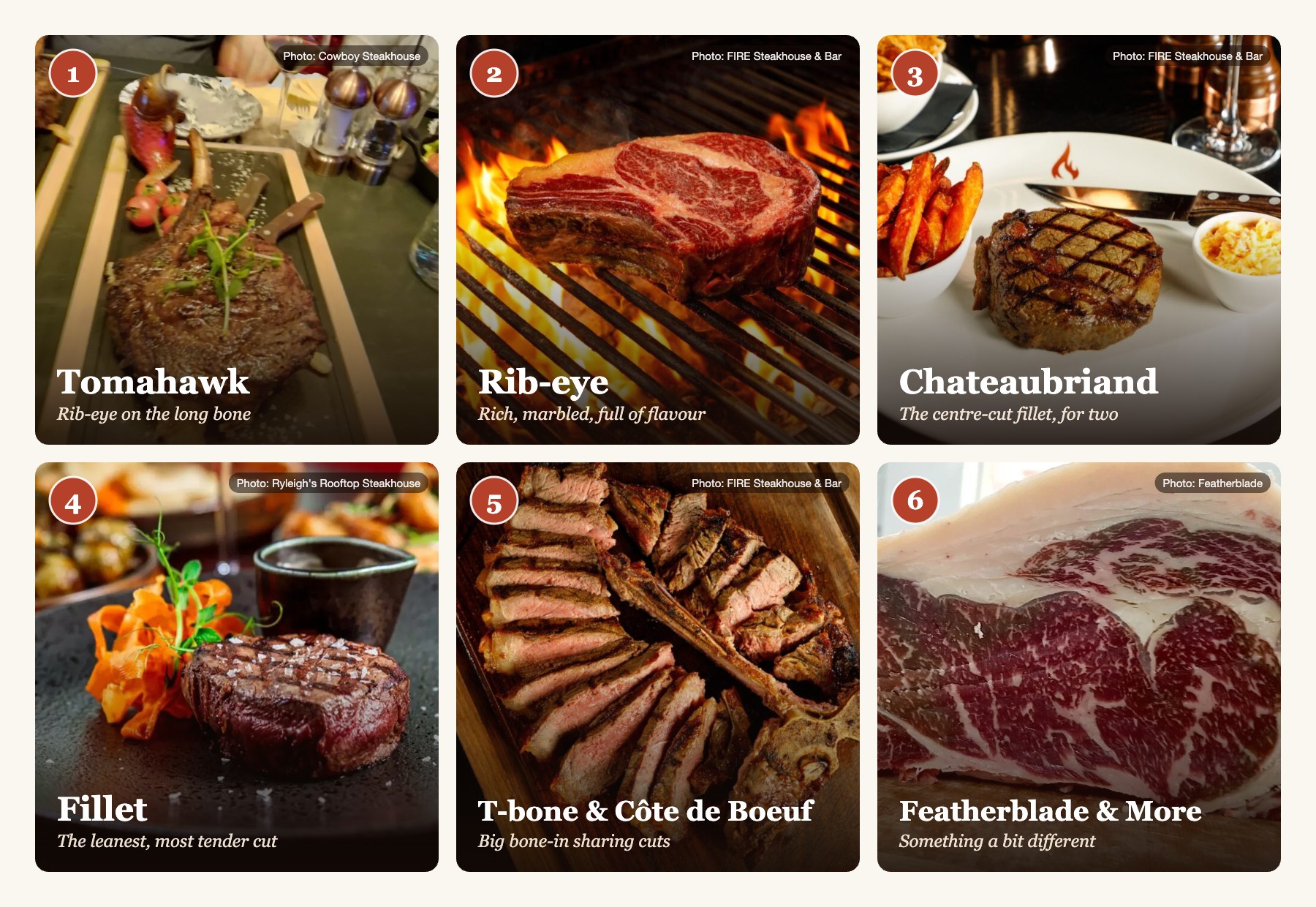
Jump to: 1. Tomahawk · 2. Rib-eye · 3. Chateaubriand · 4. Fillet · 5. T-bone & côte de boeuf · 6. Something different
1. Tomahawk: the one people photograph
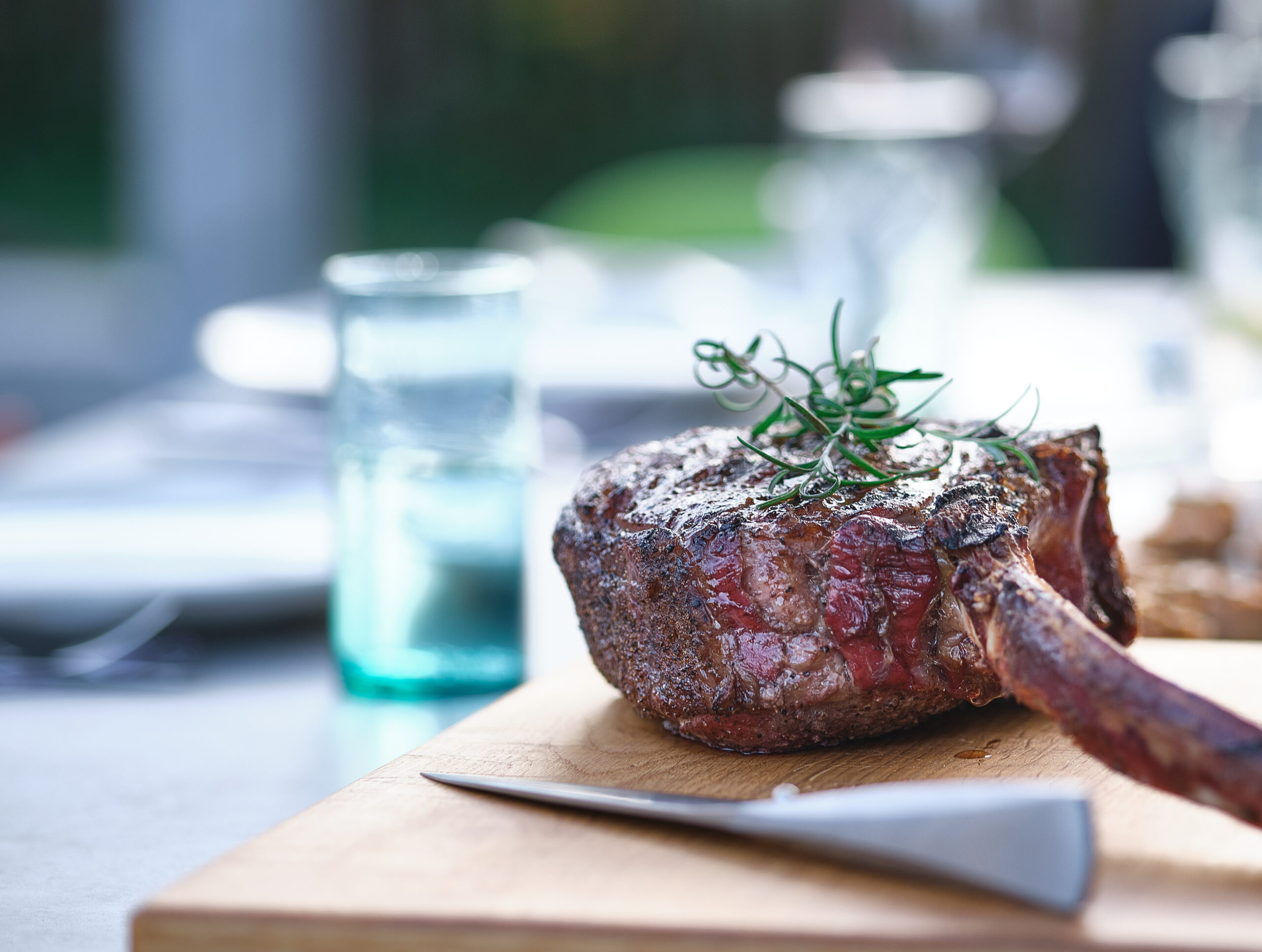
If a steakhouse has a tomahawk, it tends to be the steak reviewers talk about. It’s a rib-eye left on the long bone, and it’s built for the table.
- Oxhorn Grill: a 34oz John Stone tomahawk for sharing, cooked on a Josper charcoal grill. The steak reviewers name most.
- Ryleigh’s Rooftop Steakhouse: 34oz tomahawk for two, with the city laid out below you.
- The Butcher Grill: a 30oz tomahawk for two, the Ranelagh spot’s signature.
- JD’s Steakhouse: a 16oz tomahawk for one, and the best value of the bunch.
- Cowboy Steakhouse: the most-praised steak at Dundrum by a distance.
- Brookwood: tomahawk or porterhouse for two, best booked on a Tuesday.
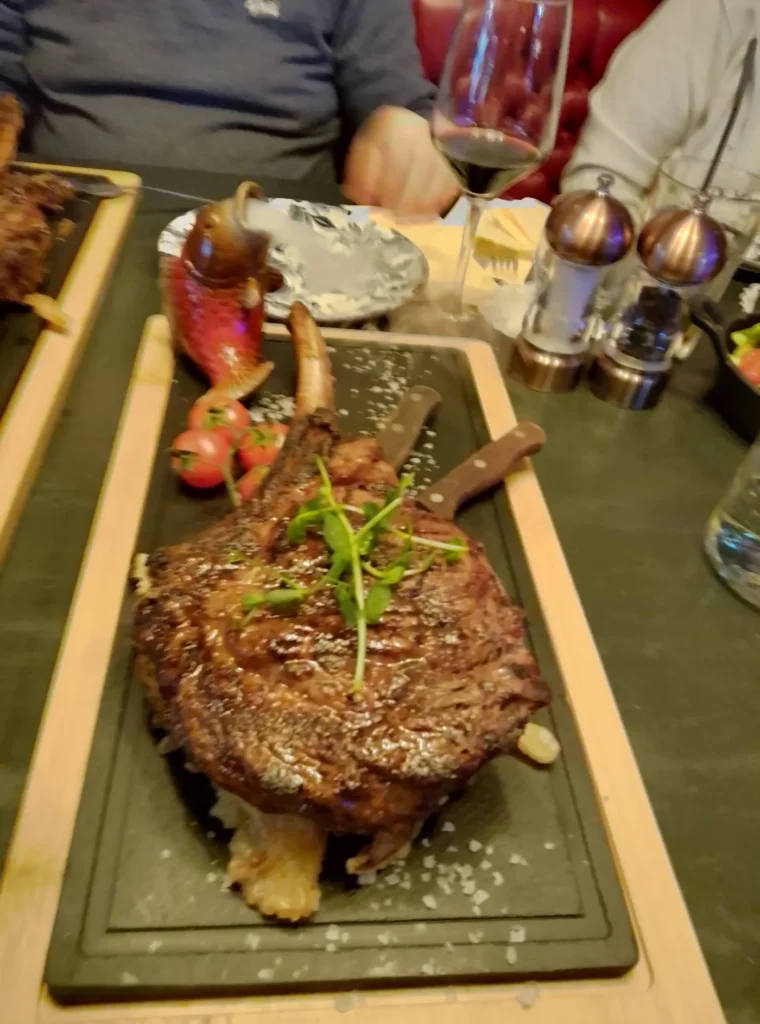
More options in our tomahawk guide.
2. Rib-eye: the reviewers’ favourite all-rounder
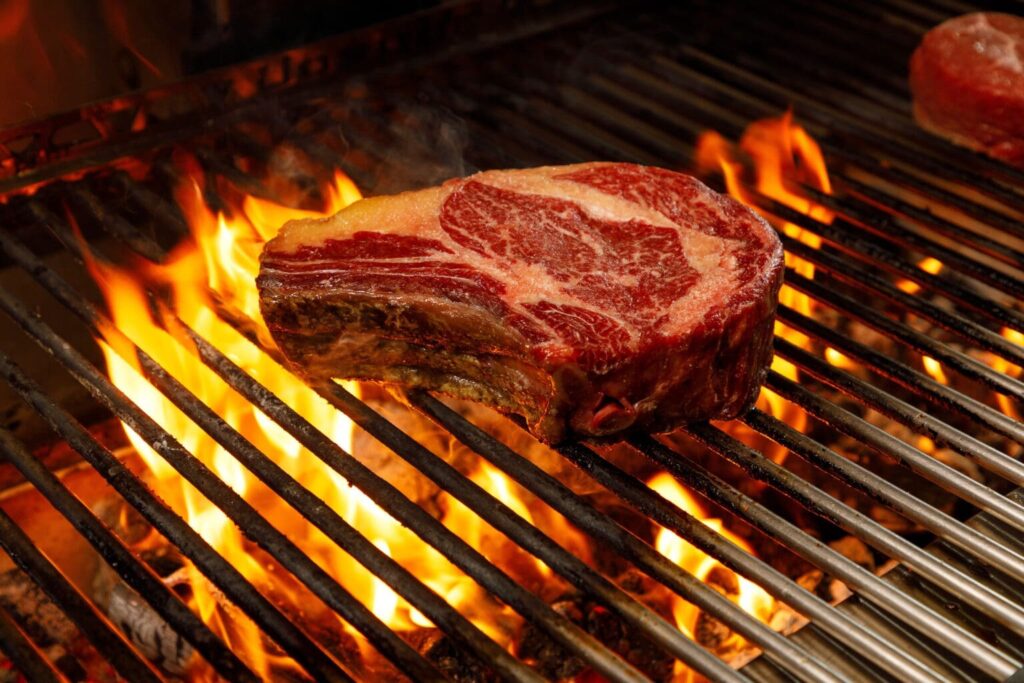
Rib-eye is the steak that shows up in the most top 3 lists. It has the fat, so it has the flavour, and dry-ageing suits it well.
- Hawksmoor: rated the best of its individual steaks by All The Food. All the beef here is dry-aged for 35 days and cooked over charcoal.
- Bovinity: a 10oz, 28-day dry-aged Hereford rib-eye. It’s the most-mentioned dish in Bovinity’s OpenTable reviews.
- Darwin’s Tavern: “The Ambassador”, a 510g rib on the bone. OpenTable reviewers call it some of the best steak they’ve had.
- Bull & Castle: 10 to 16oz, aged 28 days at F.X. Buckley’s Rathcoole butchery.
- Brookwood: 28-day dry-aged, and a long-time reviewer favourite.
- Boeuf: an 8oz rib-eye off the bone, served sizzling on cast iron.
3. Chateaubriand: the date-night steak
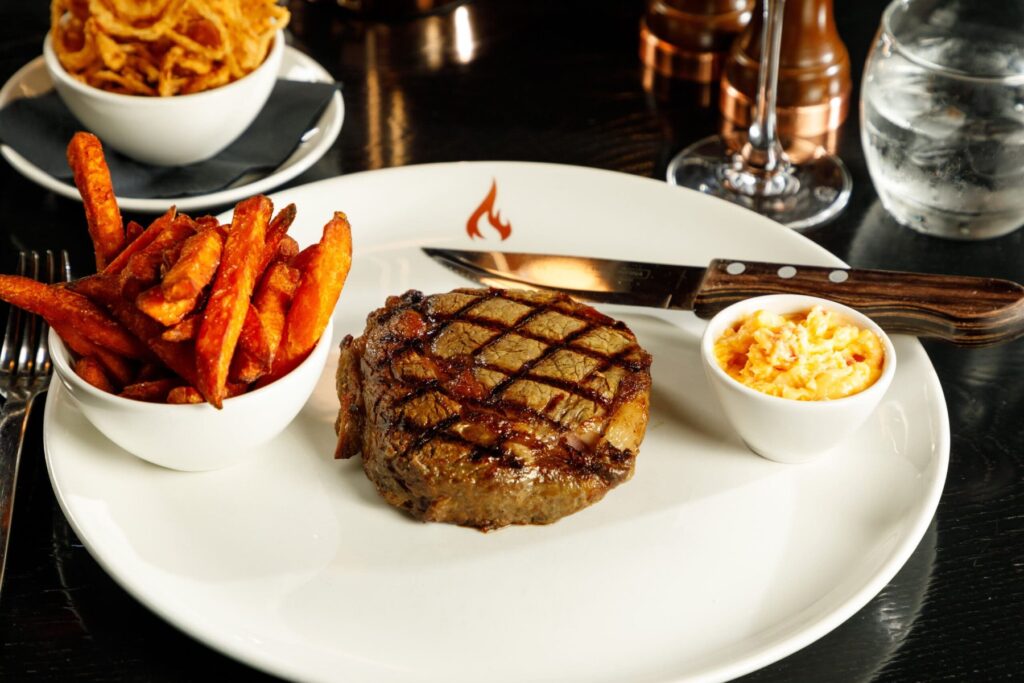
Chateaubriand is the thick centre of the fillet, carved at the table and shared between two. It’s the steak people order for anniversaries, and it gets glowing reviews.
- F.X. Buckley, Pembroke St: 16oz for two. Reviewers keep calling it sublime.
- F.X. Buckley, Temple Bar: the most-praised dish in its OpenTable reviews.
- Marco Pierre White, Dawson St and Donnybrook: 24oz to share, with Béarnaise or the classic au poivre.
- Hawksmoor: a 700g sharing cut, praised for how tender it is.
See every restaurant that serves it in our chateaubriand guide.
4. Fillet: when you want it tender
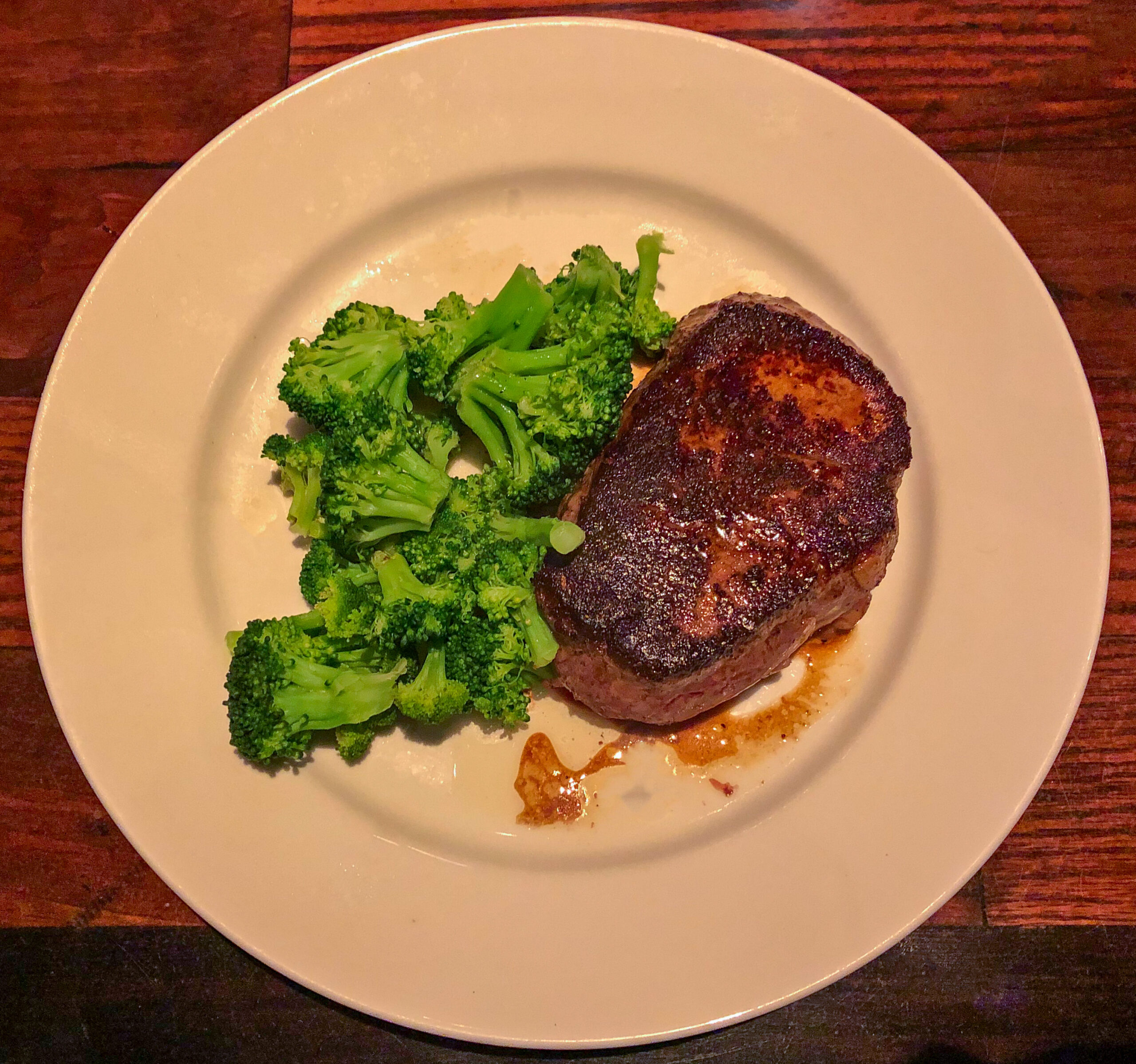
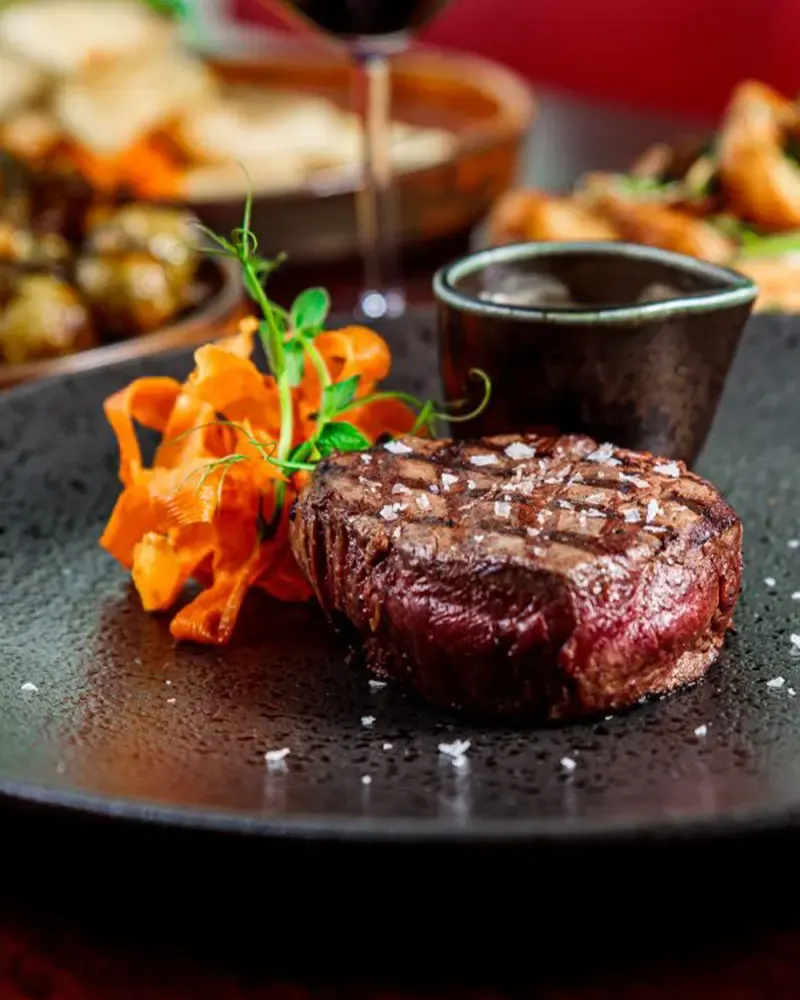
Fillet is the leanest cut, so it’s easy to overcook. The places below get it right, going by the reviews.
- Boeuf & Frites: a 7oz Irish fillet on a set menu with bottomless frites. Diners regularly say it’s cooked to perfection.
- Marco Pierre White, Dawson St: the 8oz centre-cut fillet is the cut reviewers mention most.
- Oxhorn Grill: an 8oz fillet, again “cooked to perfection” in review after review.
- F.X. Buckley, Pembroke St: the most-praised cut on Tripadvisor.
5. Côte de boeuf, porterhouse and T-bone: big steaks for sharing
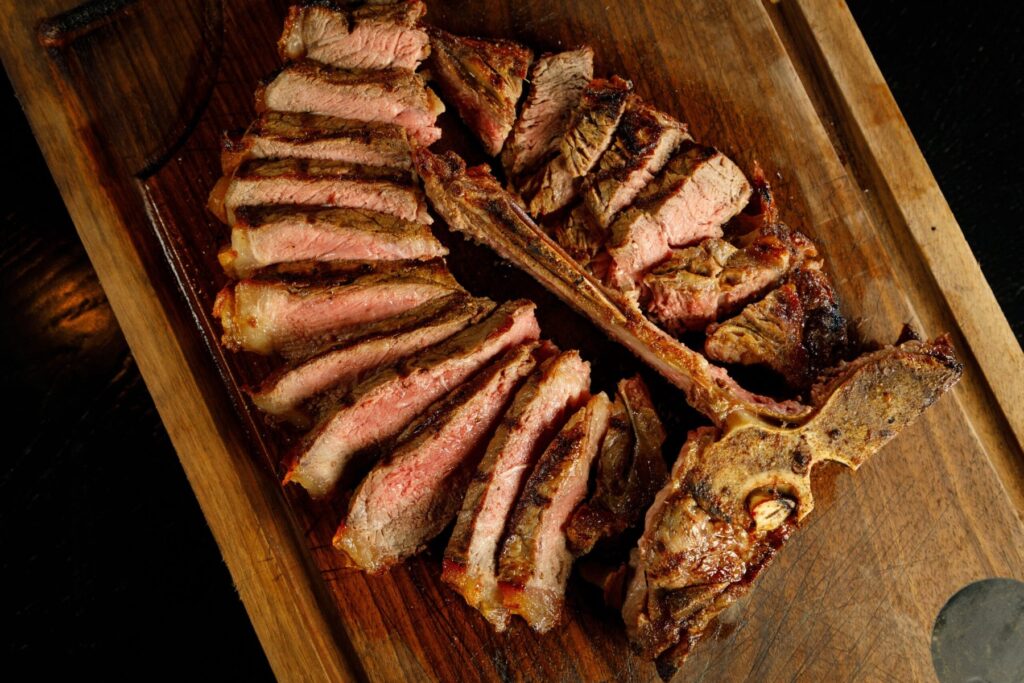
Going as a group? These bone-in sharing cuts are where Dublin’s steakhouses really show off.
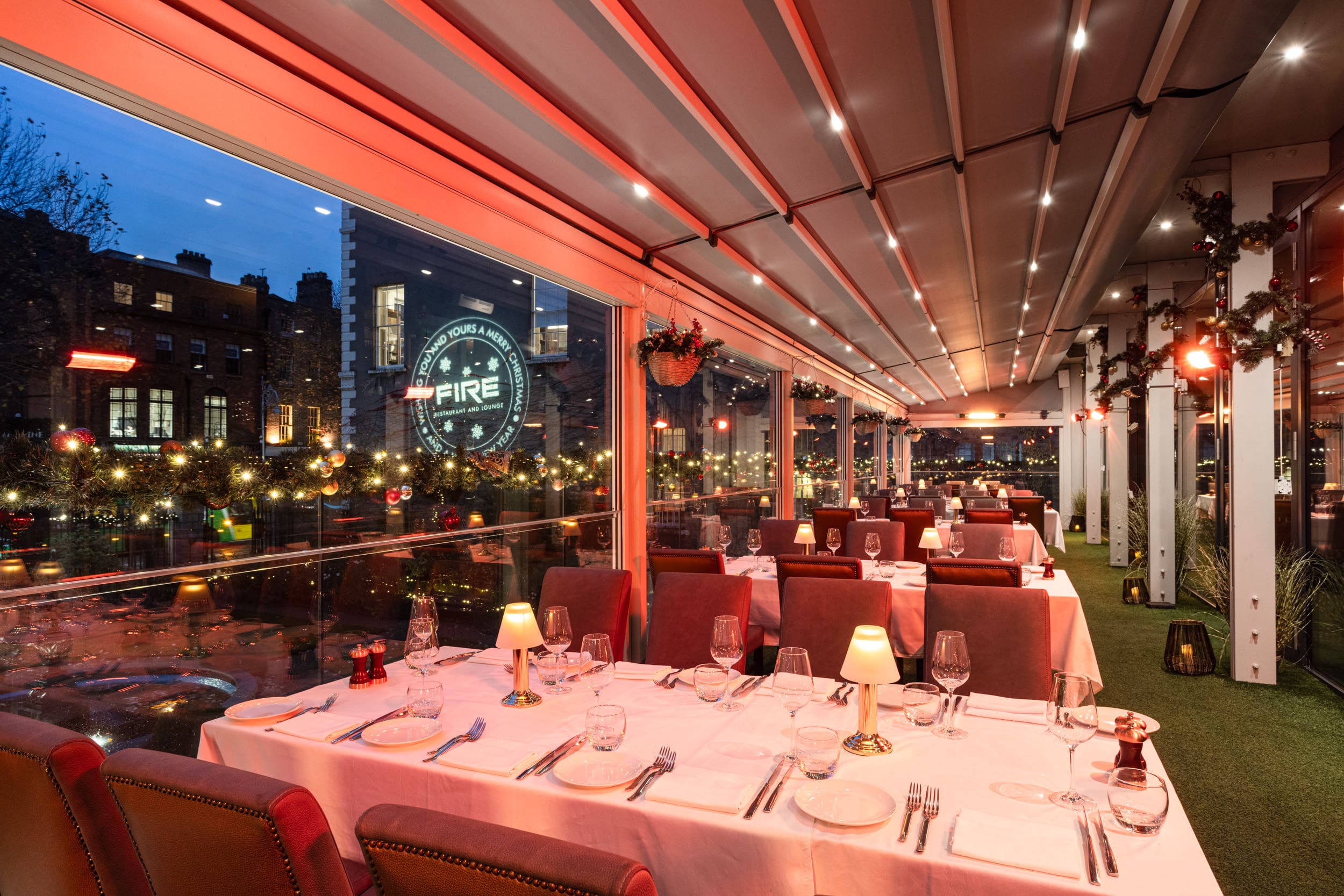
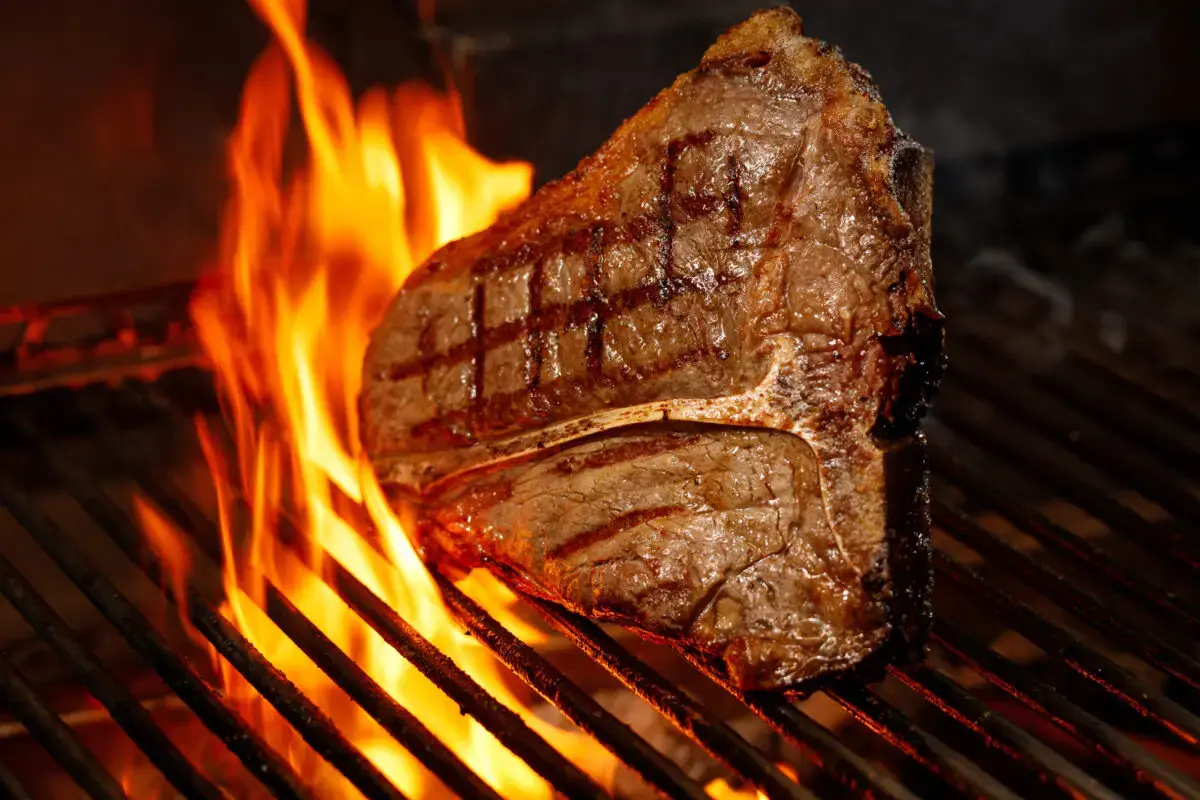
- FIRE: the 35oz porterhouse board is the most-reviewed dish on OpenTable, and the 16oz T-bone is second.
- Bull & Castle: an Irish ex-dairy côte de boeuf, dry-aged for 60 days. The longest ageing we found in this group.
- Darwin’s Tavern: a 907g côte de boeuf to share.
- F.X. Buckley, Temple Bar: a 32oz porterhouse for two.
- F.X. Buckley, Monkstown: a 34oz côte de boeuf for two.
6. Something a bit different
Not every favourite is a classic cut.
- Featherblade: named after its signature shoulder cut. It’s the dish reviewers mention most, and it shows you don’t need a premium cut to get a great steak.
- Bovinity: a 16oz côte de boeuf from native Irish Dexter cattle. You won’t see that on many menus.
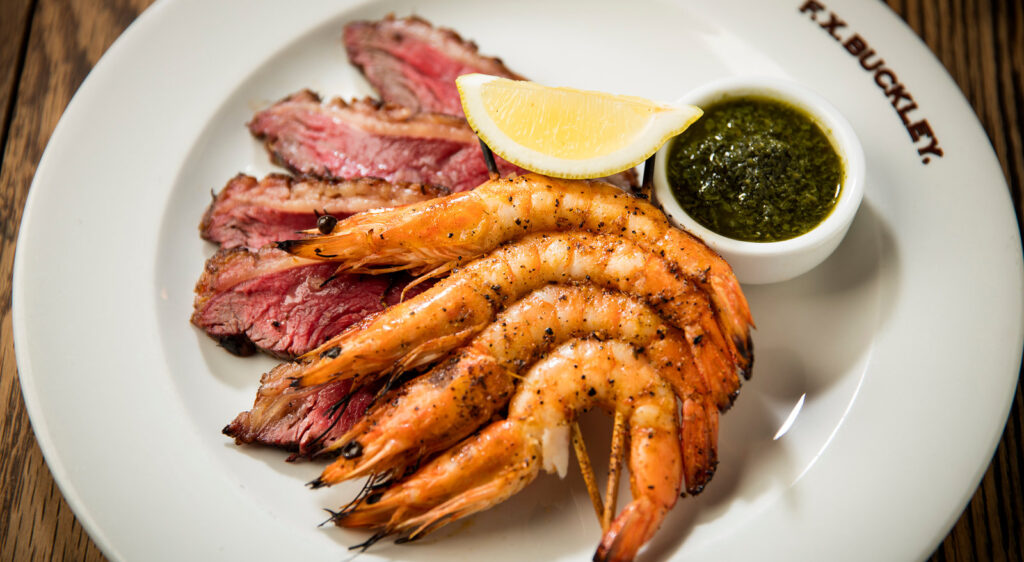
- F.X. Buckley, Monkstown: a 6oz fillet with Josper-grilled prawns. Reviewers call it superb value.
Quick picks
- Best value: Boeuf & Frites for the set menu, or Featherblade.
- Best for dry-aged fans: Hawksmoor (35 days) or the 60-day côte de boeuf at Bull & Castle.
- Best for a group: the porterhouse board at FIRE.
- Best for a special occasion: chateaubriand at Marco Pierre White Courtyard in Donnybrook. It opens Thursday to Sunday only.
- Best view: the tomahawk at Ryleigh’s Rooftop.
All 20 restaurants at a glance
| Restaurant | Area | #1 | #2 | #3 |
|---|---|---|---|---|
| Boeuf | South William St, D2 | Rib-eye off the bone 8oz | NY striploin 9oz | Tasting plate for two |
| Boeuf & Frites | Temple Bar, D2 | Fillet 7oz | Striploin 10oz | (only two steaks) |
| Bovinity | Capel St, D1 | Rib-eye 10oz, 28-day | F.X. Buckley sharing steaks | Dexter côte de boeuf 16oz |
| Brookwood | Baggot St, D2 | Rib-eye, 28-day | Tomahawk / porterhouse for two | Striploin, 21-day |
| Bull & Castle | Christchurch, D2 | Rib-eye, 28-day | Côte de boeuf, 60-day | Chateaubriand 16oz |
| Cowboy Steakhouse | Dundrum, D16 | Tomahawk | Rib-eye | Fillet |
| Darwin’s Tavern | Aungier St, D2 | “The Ambassador” rib 510g | Fillet 283g | Côte de boeuf 907g |
| Featherblade | Dawson St, D2 | Featherblade | Rib-eye | Striploin |
| FIRE | Mansion House, D2 | Porterhouse board 35oz | T-bone 16oz | Rib-eye 12oz |
| F.X. Buckley | Pembroke St, D2 | Chateaubriand 16oz | Striploin on the bone | Fillet |
| F.X. Buckley | Crow St, Temple Bar | Chateaubriand 16oz | Porterhouse 32oz | Striploin |
| F.X. Buckley | Monkstown | Rib-eye | Surf & turf | Côte de boeuf 34oz |
| Hawksmoor | College Green, D2 | Porterhouse | Rib-eye | Chateaubriand 700g |
| JD’s Steakhouse | Terenure, D6W | Tomahawk 16oz | T-bone 16oz | Fillet 10oz |
| MPW Courtyard | Donnybrook, D4 | Delmonico rib-eye 10oz | Centre-cut fillet 8oz | Chateaubriand 24oz |
| MPW Steakhouse & Grill | Dawson St, D2 | Centre-cut fillet 8oz | Chateaubriand 24oz | Delmonico rib-eye 10oz |
| Morelands Grill | Westmoreland St, D2 | Rib-eye | Fillet | Sirloin |
| Oxhorn Grill | Mespil Rd, D4 | Tomahawk 34oz | Côte de boeuf 34oz | Fillet 8oz |
| Ryleigh’s Rooftop | North Wall Quay, D1 | Tomahawk for two 34oz | Delmonico 14oz | T-bone for two 34oz |
| The Butcher Grill | Ranelagh, D6 | Tomahawk 30oz | Côte de boeuf 24oz | Chateaubriand 24oz |
FAQ
Where can I get a tomahawk steak in Dublin?
Oxhorn Grill, Ryleigh’s Rooftop, The Butcher Grill, JD’s Steakhouse, Cowboy Steakhouse and Brookwood all have one. Most are 30 to 34oz and made for two. JD’s does a 16oz version for one.
Which Dublin steakhouse ages its steak the longest?
Of the 20 we checked, the F.X. Buckley ex-dairy côte de boeuf is aged 60 days. You’ll find it at Bull & Castle and Pembroke St. Hawksmoor ages all its beef for 35 days. Most others age theirs for around 21 to 28 days.
What’s the best steak for two in Dublin?
For something tender, go with a chateaubriand at F.X. Buckley or Marco Pierre White. For more flavour, go with a côte de boeuf at Bull & Castle or a tomahawk at Oxhorn Grill.
Where can I get a good steak in Dublin without spending a fortune?
Boeuf & Frites has a set menu with a fillet or striploin, bottomless frites and dessert. Featherblade and JD’s Steakhouse are also well known for value.
Photos are credited to the restaurants named under each image. Menus, prices and opening hours change, so check with the restaurant before you book. Want more? Learn the cuts in our guide to steak cuts, see who serves dry-aged steak in Dublin, or browse the full steakhouse directory.