
Irish vs American Steak: Grass-Fed, Grain-Fed and What Actually Tastes Different
Why an Irish steak and an American one can taste worlds apart, and how to choose between them when you sit down in a Dublin steakhouse.
Put an Irish sirloin and an American ribeye side by side and you are really tasting two different farming systems. One is built on grass, the other on grain, and that single difference shapes almost everything about how the steak eats. Here is what sets Irish, American and European beef apart, and how it plays out on Dublin’s steak menus.
Grass-fed Irish beef: lean, mineral and clean
Ireland’s climate is its secret weapon. Mild and wet, it grows grass for most of the year, so cattle graze outdoors far longer than they do in drier countries. That grazing gives Irish beef a leaner, firmer texture and a deep, savoury, almost mineral flavour, with fat that carries a faint yellow tint from all the grass. It is the taste most people mean when they say a steak is properly “beefy”. This is the style you get at grass-fed champions like Featherblade, F.X. Buckley and Brookwood.
Grain-fed American beef: rich, marbled and buttery
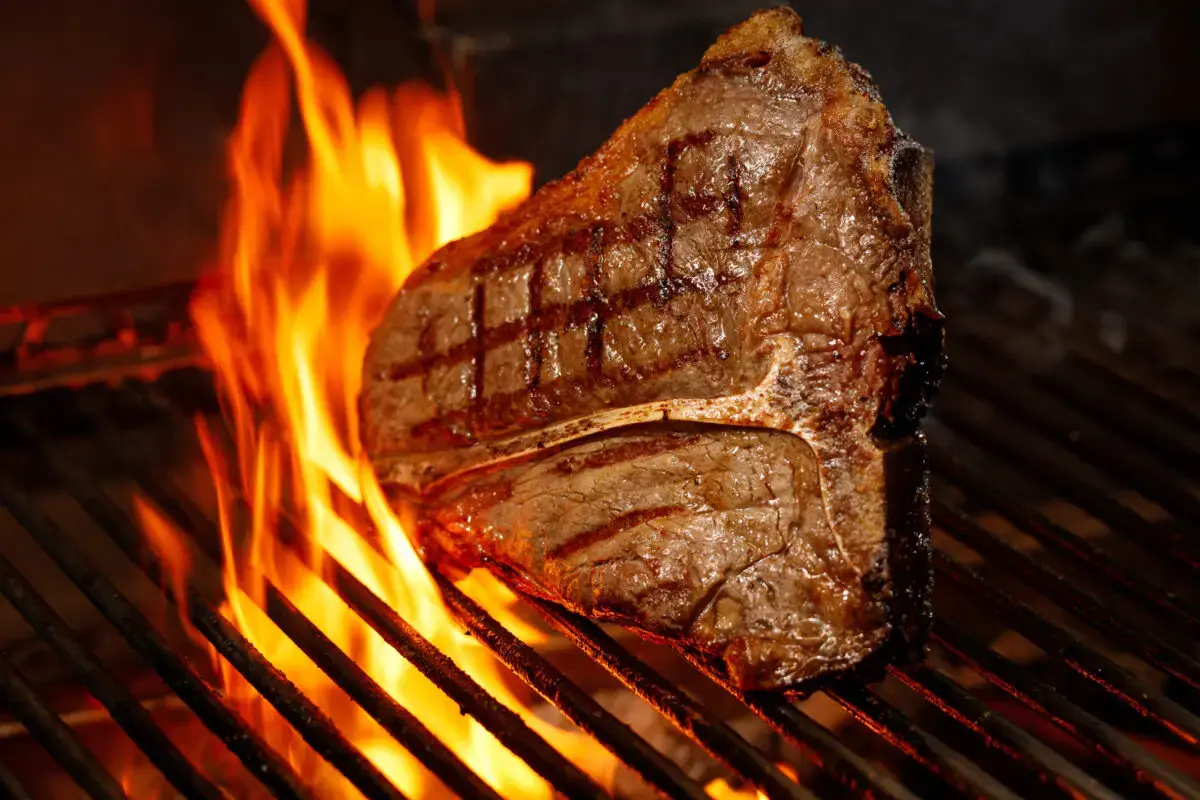
American beef takes the opposite path. Cattle are typically finished for months on corn and grain, which lays down the intramuscular fat known as marbling. The result is a softer, richer, more buttery steak, and the top USDA Prime grade is prized for it. It is a different pleasure entirely: less about clean beef flavour, more about melting fat. A few Dublin steakhouses offer American cuts such as Creekstone alongside their Irish beef, with The Butcher Grill among them.
Where dry-ageing comes in
There is a third variable that sits on top of grass and grain: dry-ageing. Hanging beef in a controlled room for weeks concentrates its flavour and tenderises the meat, giving that nutty, aged intensity great steakhouses are known for. It works on both Irish and imported beef, and steakhouses like Hawksmoor, Bovinity and Darwin’s Tavern lean into it. For more on who supplies and ages the beef, see our guide to the beef behind the steak.
So which is better?
Neither, and that is the honest answer. If you like a leaner, cleaner, more savoury steak, Irish grass-fed beef is hard to beat, especially dry-aged. If you want a soft, rich, heavily marbled bite, grain-fed American beef delivers. The good news in Dublin is that you rarely have to choose blind: the best menus tell you exactly what you are ordering.
Where to taste the difference in Dublin
Grass-fed vs grain-fed: quick answers
Overwhelmingly grass-fed. Ireland’s mild, wet climate grows grass for most of the year, so cattle graze outdoors far longer than in most countries. That gives Irish beef its leaner texture and mineral, savoury flavour, though many animals get a short grain finish before slaughter.
Grass-fed beef is leaner, firmer and more savoury, with a yellow-tinged fat. Grain-fed beef, finished on corn or barley, is more marbled, richer and more buttery. Neither is simply better: it comes down to whether you prefer a cleaner, beefier steak or a softer, fattier one.
US beef is typically grain-finished for months on corn, which lays down the intramuscular fat known as marbling. USDA Prime, the top grade, is prized for it. Some Dublin steakhouses offer American cuts such as Creekstone alongside their Irish beef for exactly this richer style.
Yes. Irish beef has an international reputation for quality, and Ireland exports it worldwide. Grass-fed Irish steak, especially when dry-aged, delivers a deep, clean, beefy flavour that many steak lovers prefer to richer grain-fed beef.
Browse the full directory of Dublin steakhouses, or read who supplies Dublin’s steakhouses.