
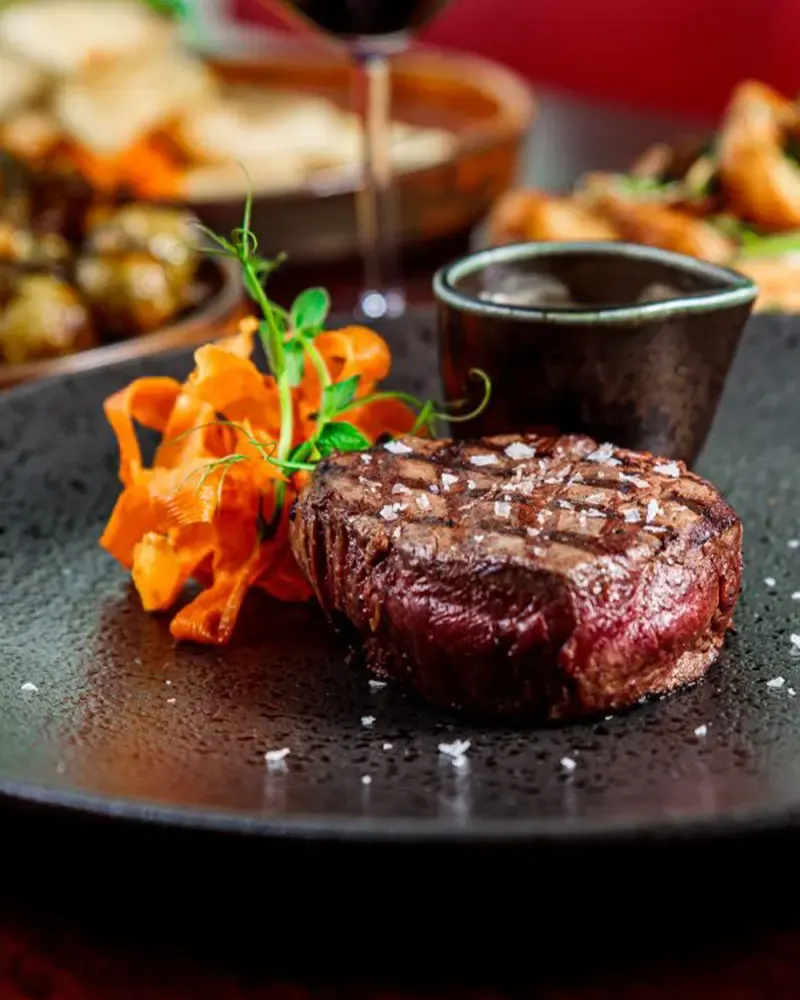
A Guide to Steak Cuts: Fillet, Ribeye, Sirloin, T-Bone and More
Every cut on a Dublin steakhouse menu, explained in plain terms, so you know exactly what to order and why.
A steak menu can read like a foreign language. Fillet, striploin, ribeye, tomahawk, chateaubriand: they are all beef, but each cut comes from a different part of the animal and eats in its own way, from lean and tender to rich and fatty. Here is a plain-English guide to the cuts you will meet in a Dublin steakhouse, and who does each one well.
Steak cuts at a glance
| Cut | Cut from | Tenderness | Fat / marbling | Serves | Best for |
|---|---|---|---|---|---|
| Fillet (tenderloin) | Short loin | Highest | Lowest | 1 | Softness over fat |
| Ribeye | Rib | High | High | 1 | Rich, indulgent flavour |
| Sirloin / striploin | Short loin | Medium-firm | Medium | 1 | Classic, all-round beefy bite |
| Featherblade / flat iron | Shoulder | Medium | Medium | 1 | Value and flavour |
| T-bone / porterhouse | Short loin + tenderloin | Mixed | Medium | 1–2 | Can’t choose between lean and tender |
| Tomahawk | Rib (long bone) | High | High | 2–3 | Sharing and spectacle |
| Côte de boeuf | Rib (short bone) | High | High | 2 | Rich, shared flavour without the theatre |
| Chateaubriand | Centre-cut tenderloin | Highest | Lowest | 2 | Tender celebration steak for two |
A quick way to read a Dublin steak menu: tenderness and fat trade off against each other, and the sharing cuts (tomahawk, côte de boeuf, chateaubriand) trade a bit of both for occasion and presentation.
The everyday cuts
Fillet (tenderloin)
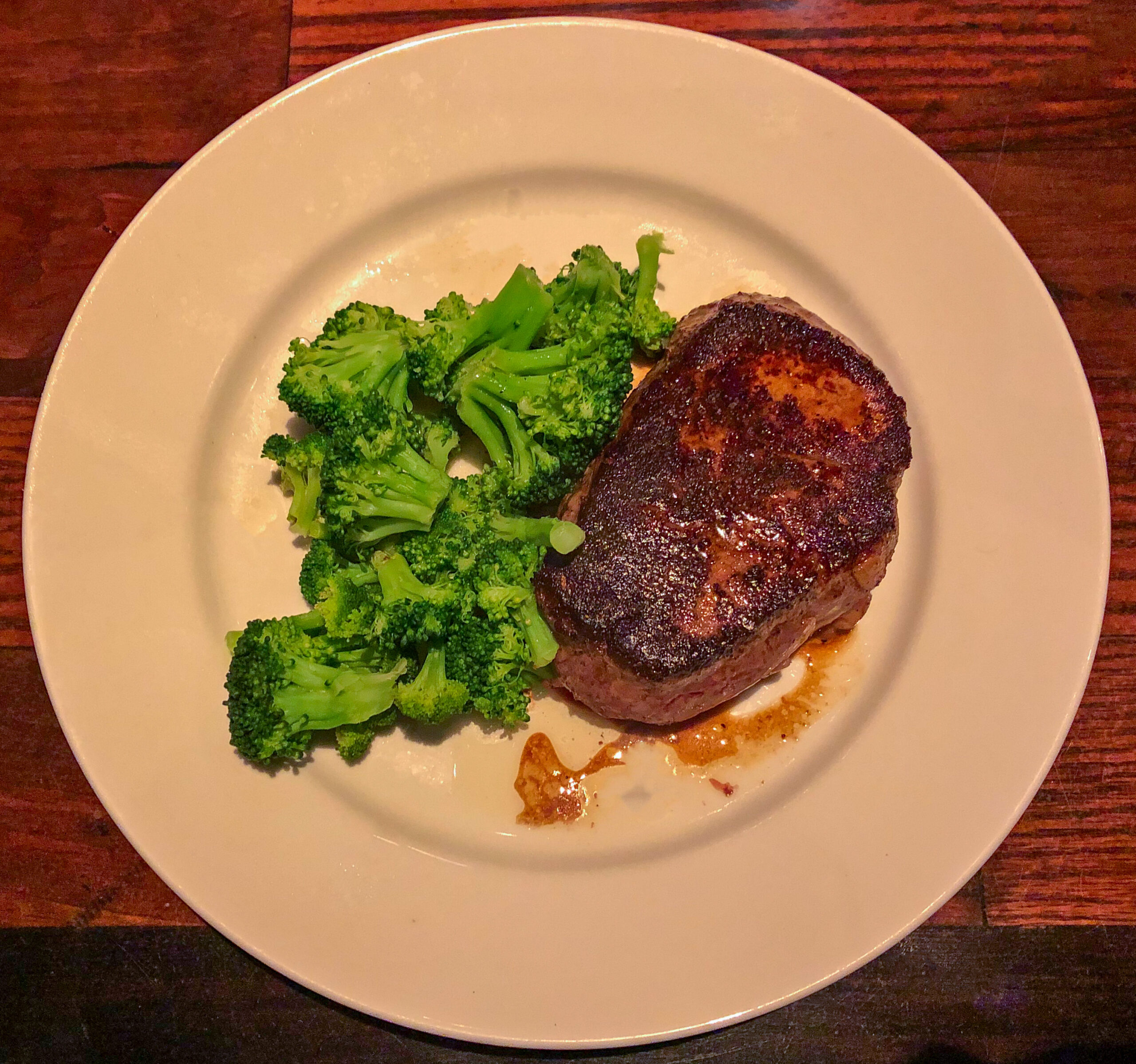
The most tender cut of all, cut from a muscle that does little work. It is lean and buttery-soft with a mild, delicate flavour, which is why it is the priciest cut and the one to order if softness matters more than fat. Every good steakhouse has one.
Ribeye
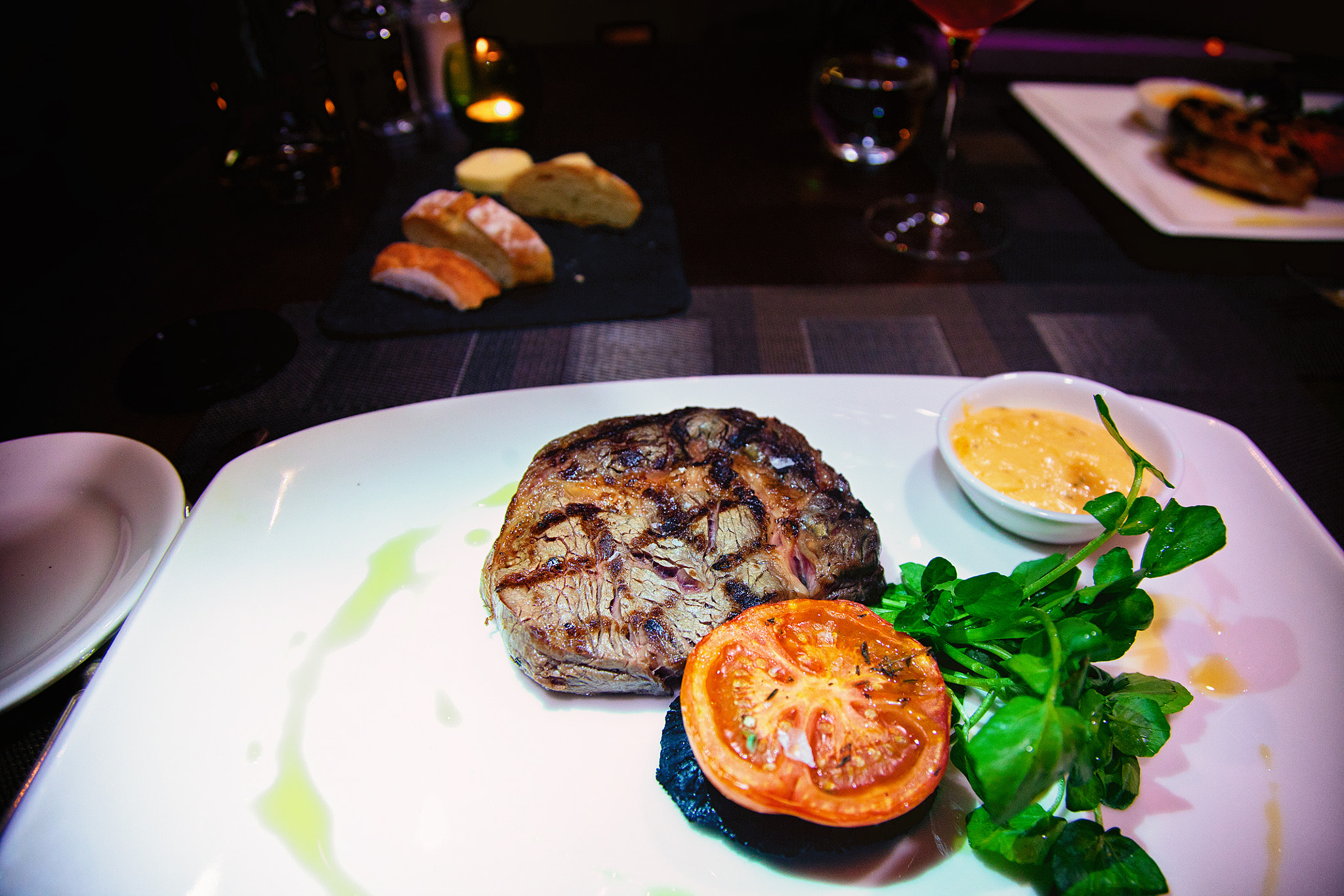
Cut from the rib, this is the connoisseur’s choice: heavily marbled, rich and juicy, with a deep beefy flavour that intensifies as the fat renders. If you want indulgence over leanness, ribeye is your cut.
Sirloin / striploin
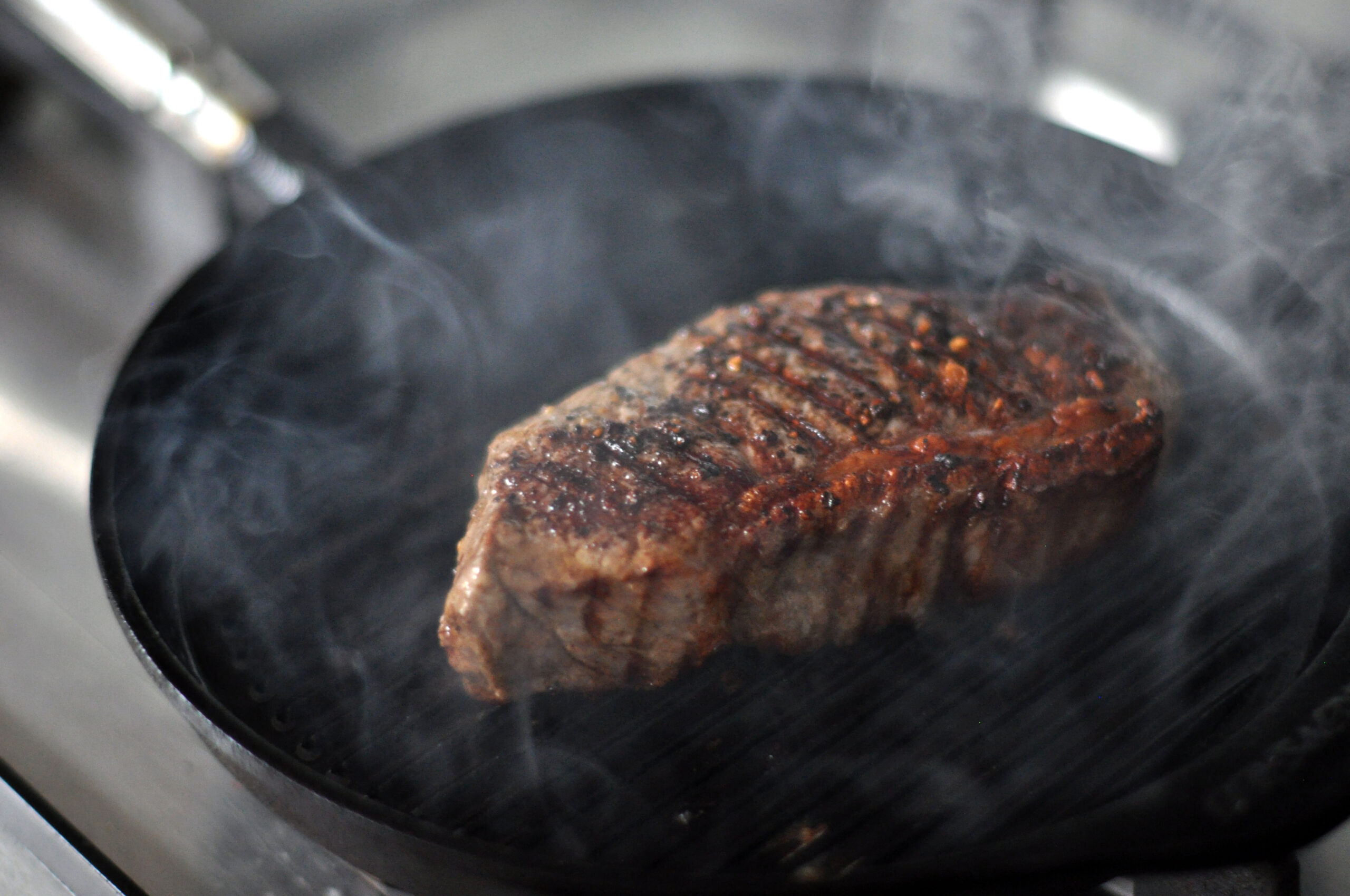
The classic steakhouse steak. Leaner than ribeye but with a firm bite and clean, beefy flavour, and usually a strip of fat along one edge for extra taste. A reliable all-rounder.
Featherblade / flat iron
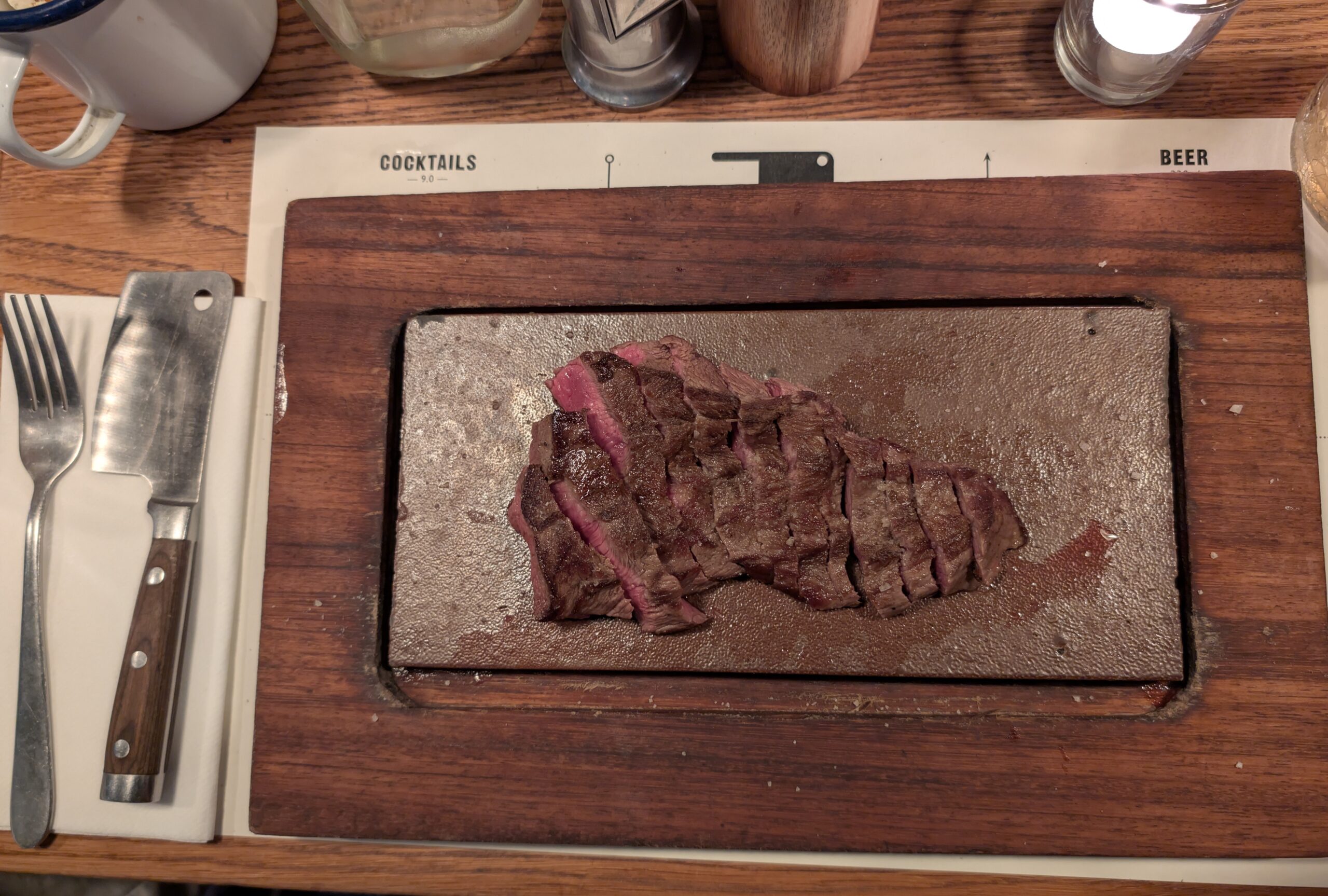
The value hero, cut from the shoulder. Rich and full of flavour when cooked right, it is the cut that Featherblade built its whole menu around.
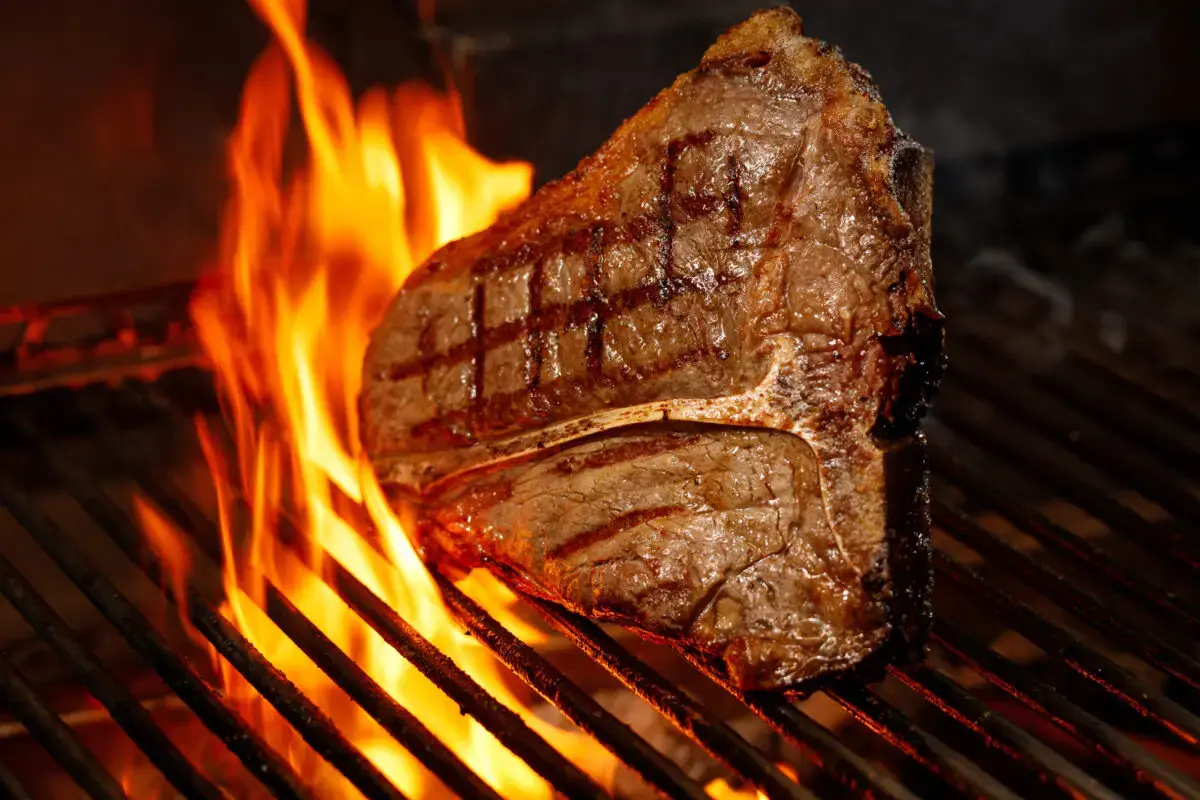
The bone-in and sharing cuts
T-bone and porterhouse
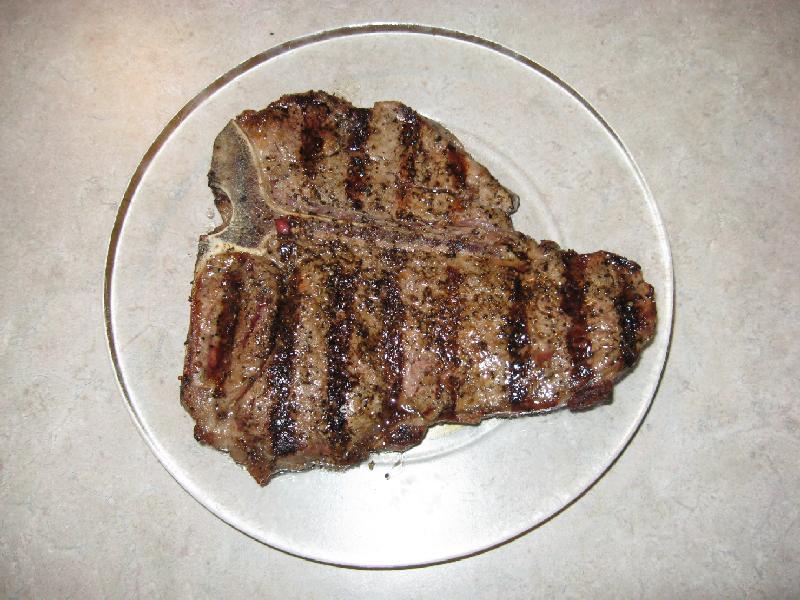
Two steaks in one, separated by a T-shaped bone: a strip of sirloin on one side and a piece of fillet on the other. The porterhouse is simply a larger T-bone with more fillet. A great pick if you cannot choose between lean and tender.
Tomahawk
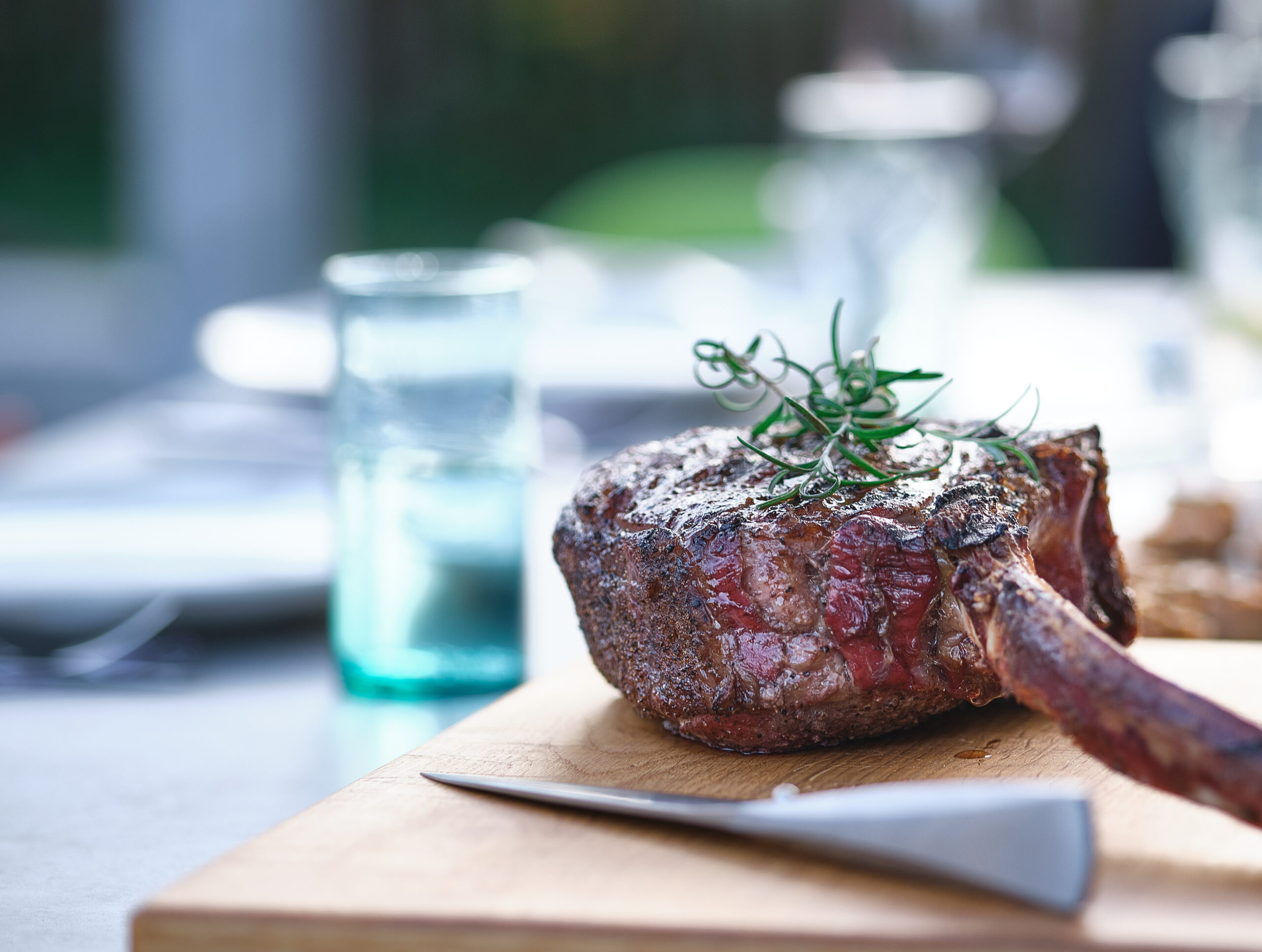
A ribeye left on a long, frenched rib bone so it looks like an axe. It is pure theatre and usually a sharing cut of 30oz or more. Order it at The Butcher Grill, Brookwood or Ryleigh’s Rooftop.
Chateaubriand
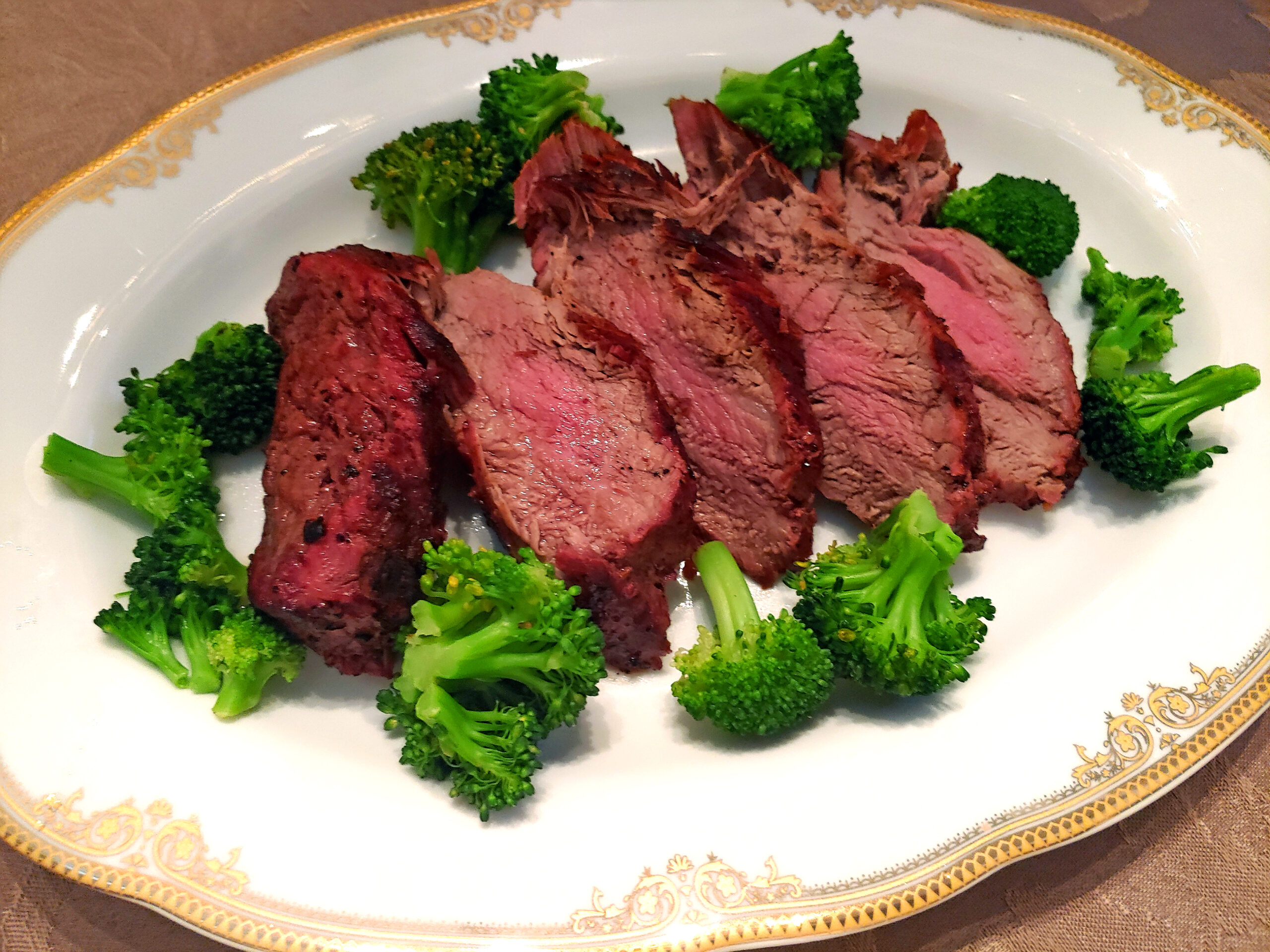
A thick centre-cut of fillet carved for two, the classic celebration steak. Look for it at FIRE Steakhouse & Bar, Hawksmoor and Marco Pierre White.
Côte de boeuf
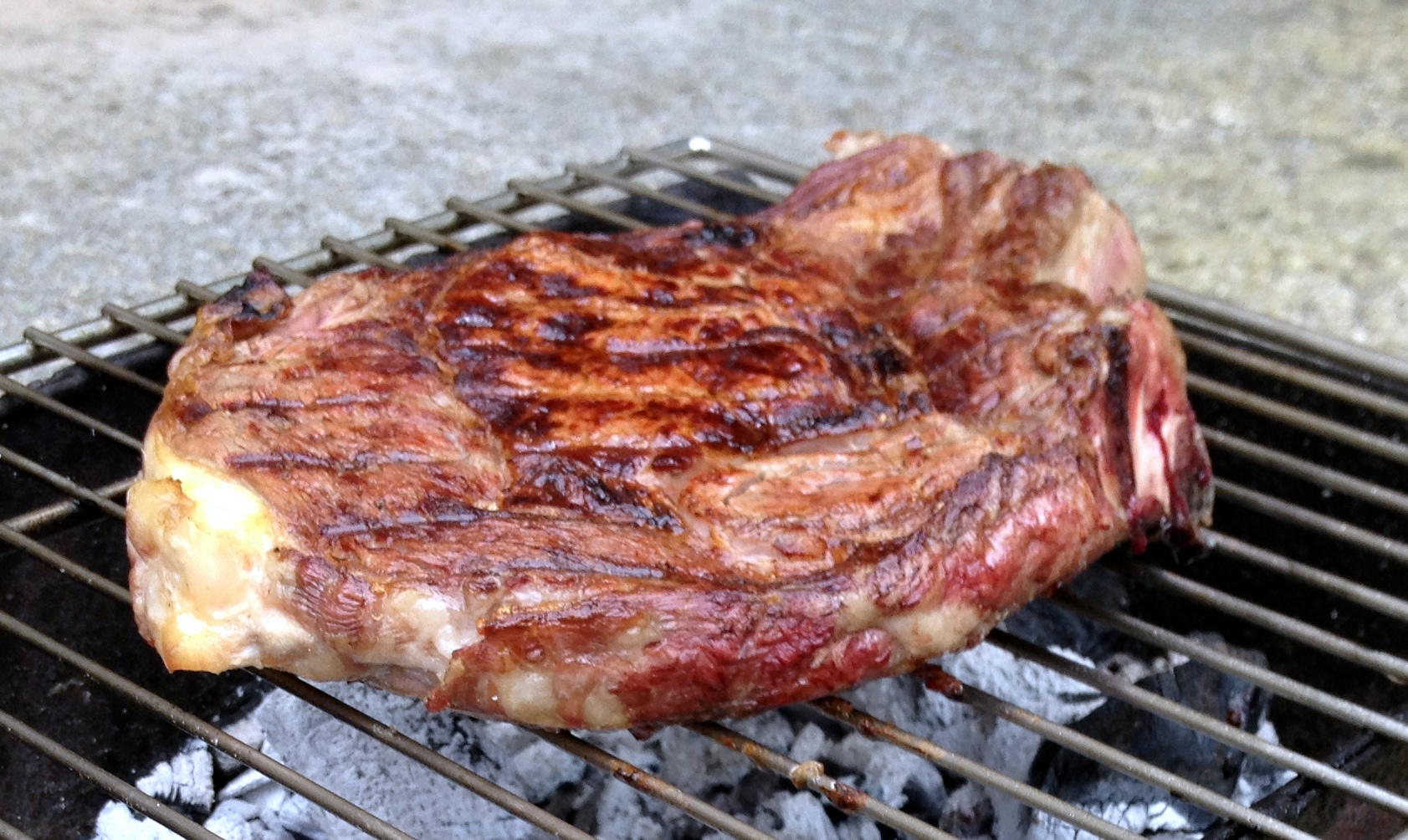
A bone-in ribeye for two, the French answer to the tomahawk. Rich, dramatic and made for sharing, it appears on several of the city’s premium menus.
Where to order each cut in Dublin
Jump straight to a cut: tomahawk, chateaubriand, dry-aged or Wagyu steak in Dublin.
Steak cuts: quick answers
The fillet (tenderloin) is the most tender cut, prized for its buttery softness. It is the leanest too, so it has a milder flavour than fattier cuts like ribeye. A thick centre-cut fillet served for two is called chateaubriand.
Sirloin (striploin) is leaner and firmer with a clean, classic steak flavour, while ribeye is more marbled, richer and juicier thanks to its fat. Sirloin suits those who like a meatier bite; ribeye suits those who want indulgence.
A tomahawk is a ribeye left on a long, frenched rib bone so it resembles an axe. It is a dramatic sharing cut, usually 30oz or more, and several Dublin steakhouses including The Butcher Grill, Brookwood and Ryleigh’s serve one.
There is no single best cut, it depends on what you want. Fillet for tenderness, ribeye for richness, sirloin for classic beefy flavour, and sharing cuts like tomahawk, chateaubriand or côte de boeuf for a special occasion for two.
Côte de boeuf is a bone-in ribeye for two, rich and fatty with the bone adding extra flavour as it grills. Chateaubriand is a thick centre-cut of fillet for two, lean and buttery-soft with almost no fat. Choose côte de boeuf for a bigger, more indulgent flavour; choose chateaubriand for the most tender bite in the house.
Both are bone-in sharing cuts from the rib, but the tomahawk keeps a long, frenched rib bone for drama and is usually the bigger steak at 30oz or more. Côte de boeuf keeps a shorter bone and is closer to a straightforward bone-in ribeye for two. Order tomahawk for the spectacle; order côte de boeuf if you just want the flavour the bone adds without the show.
Now you know the cuts, find where to eat them: browse the full directory of Dublin steakhouses, read about grass-fed versus grain-fed beef, or see who supplies Dublin’s steakhouses.